

Agricultural Operations + Solar = Generational Savings
Irrigation Rates are the highest Priced Power & Solar Erases Them!
Proud Solar Installer For





Energy is one of the most variable operating costs on a farm, especially in Oregon where irrigation, processing, and seasonal demand can drive usage up fast.
We design and install solar for farms across the Willamette Valley, including hazelnut operations, irrigation systems, and Ag processing facilities. Because one of our owners is a working farmer, we approach every project with a clear understanding of how agricultural operations actually run.
This isn’t a standard residential system scaled up. It’s solar built around your equipment, your land, and your seasonal energy use.
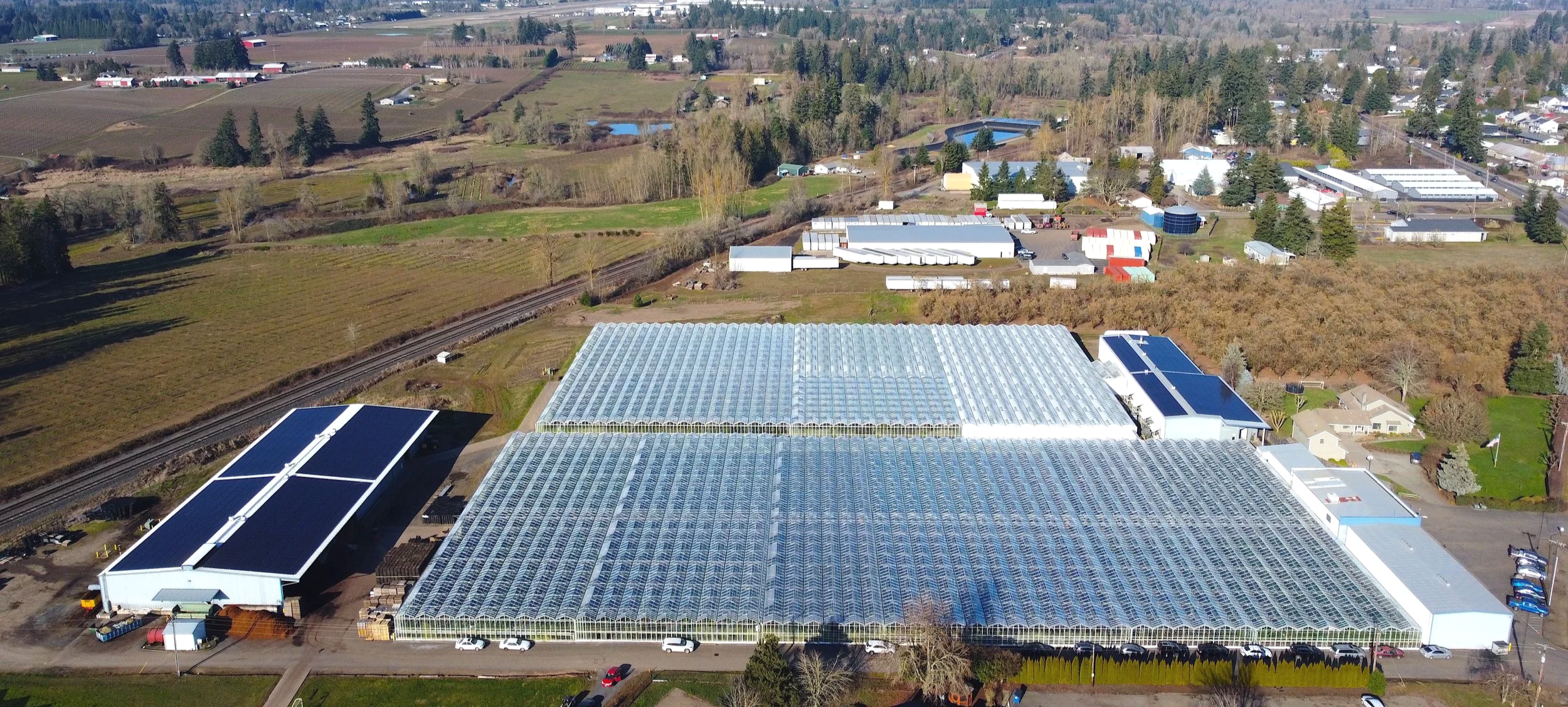
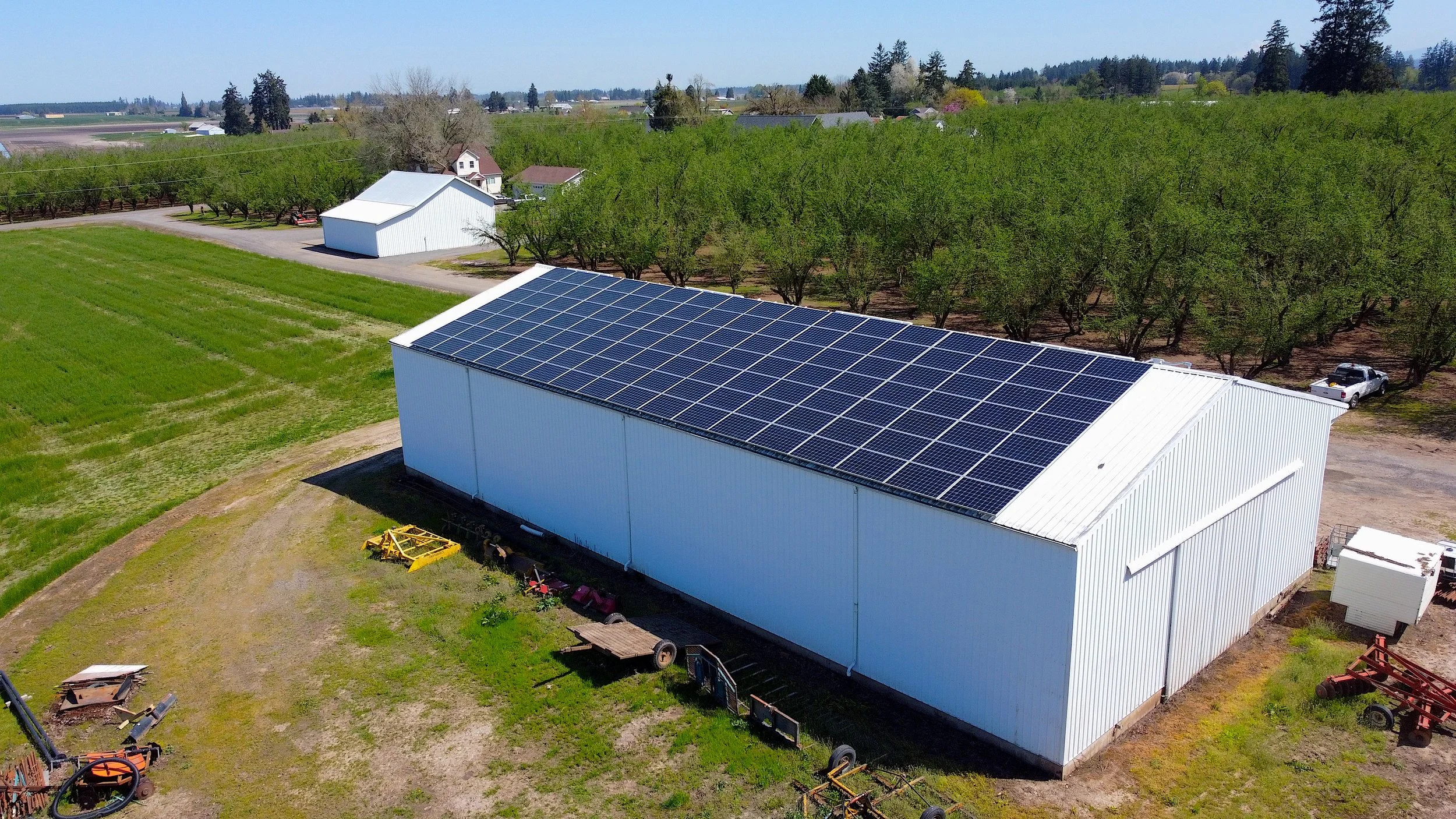
Agricultural Solar Systems in Oregon
Solar for agriculture works best when it’s designed around how power is used across the property.
Most farm solar systems we install in Oregon support:
Irrigation pumps and pivot systems
Hazelnut drying and processing equipment
Cold storage and refrigeration
Shops, barns, and outbuildings
Residential meters tied to the property
By offsetting these loads, farms can significantly reduce reliance on utility power during peak usage periods.
Meet Jordan,
Manager of Sinn Farms and Part Owner of Pure Energy Group.

Learn From Someone Who Lives It Every Day
When it comes to agricultural solar, experience matters. As the manager of Sinn Farms, a family-owned hazelnut operation, and owner of Pure Energy Group, Jordan Sinn understands the challenges Oregon farmers face because he lives them every day. From rising electricity costs and irrigation demands to harvest equipment, processing, and the realities of running a farm, he knows firsthand how every dollar impacts your operation.
That real-world experience allows Jordan to have honest, practical conversations with fellow farmers about whether solar and battery storage make financial sense for their operation. He understands seasonal energy use, the importance of reliability during harvest, and how battery storage can help keep critical equipment running during power outages. Instead of a one-size-fits-all sales pitch, you'll get recommendations from someone who understands farming, the economics behind it, and what it takes to make an investment that benefits your operation for years to come.
Jordan Sinn
Jordan@pureenergy.group
(971)-218-6374
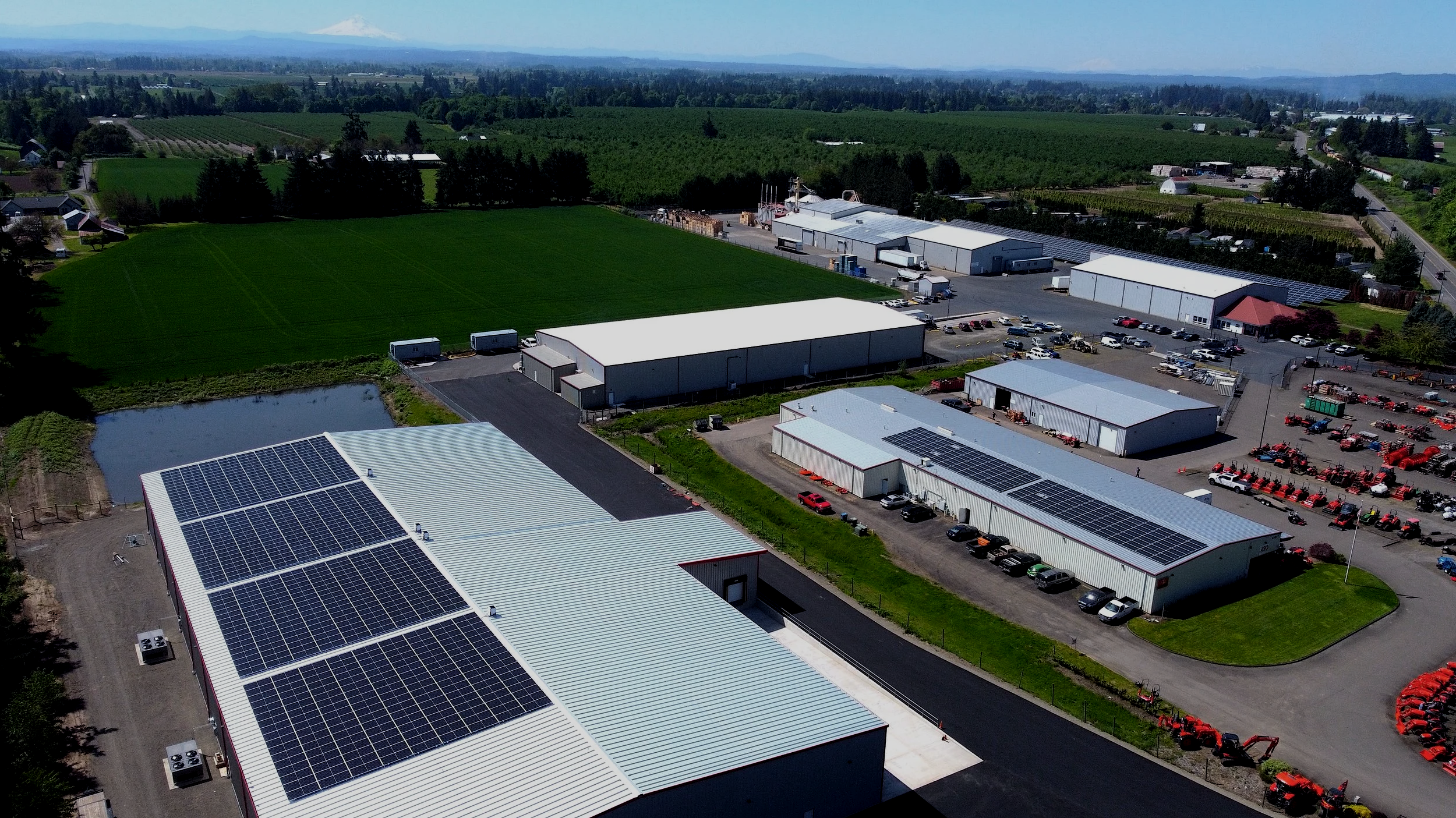
Meter Aggregation for Farms
One solar system can interconnect to a single meter, and the excess power it produces (kWh for kWh) can be aggregated to other meters on the property without a physical connection.
This is allowed as long as the meters are on contiguous property, under the same name on the bill, and served by the same utility.
“We recently worked with Pure Energy to install a solar system on our small farm. They've been helpful and efficient throughout the entire project from the proposal process through installation. We also appreciated their willingness to work with the added paperwork of the USDA REAP grant we used to help fund the project. We wouldn't hesitate to work with them again.”
Oregon Flowers
Iseli Nursery
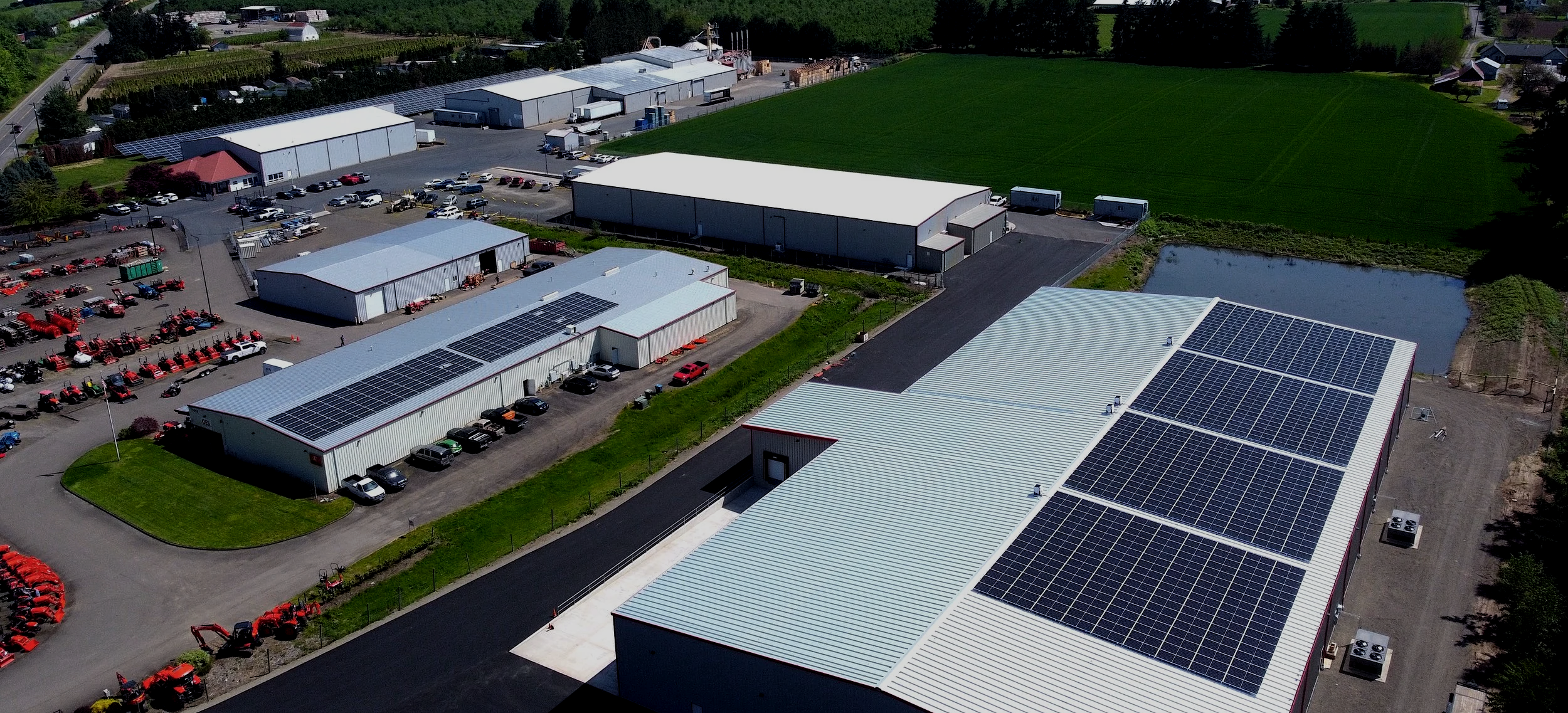
George Packing
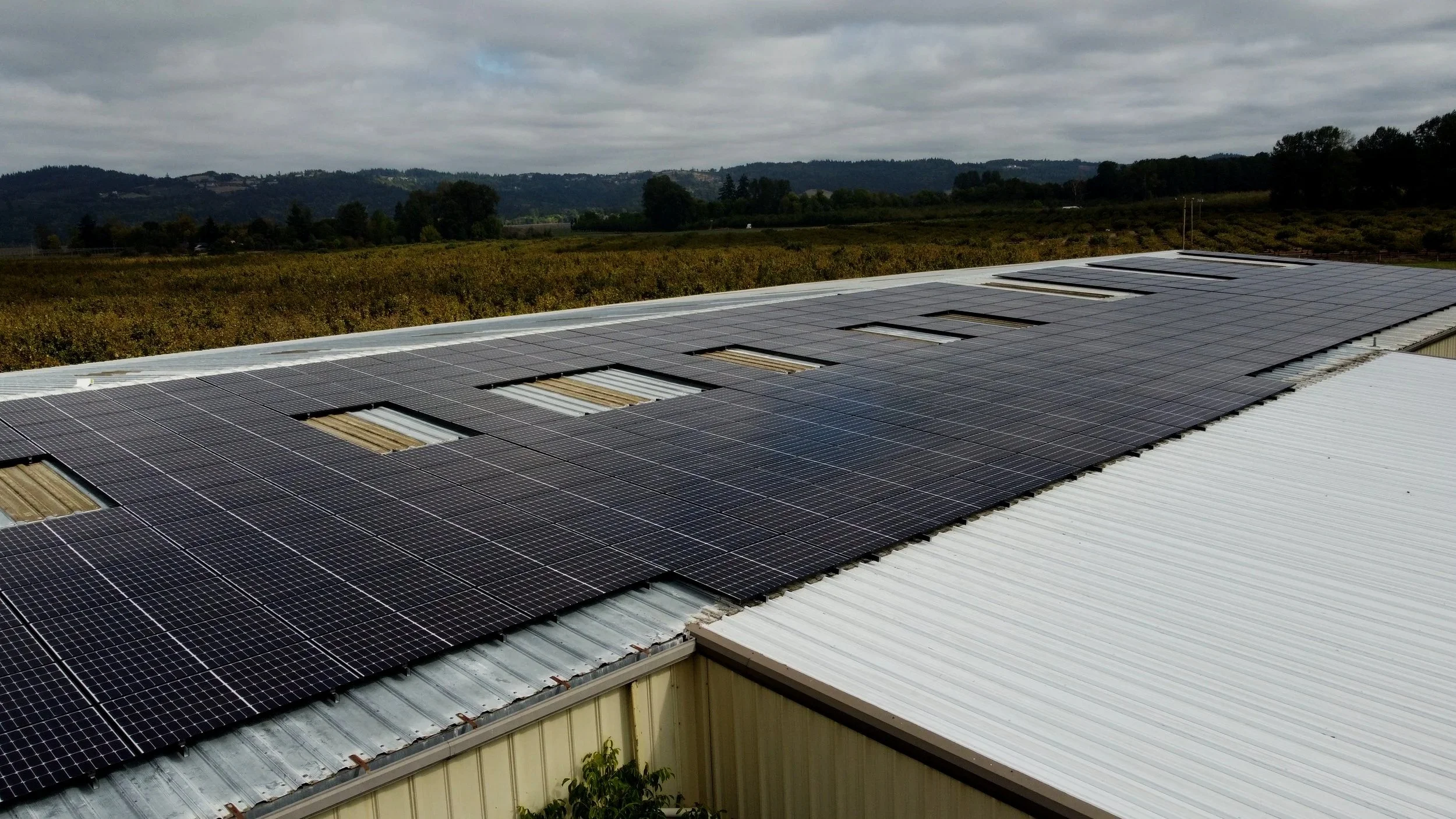
Hopville Farms
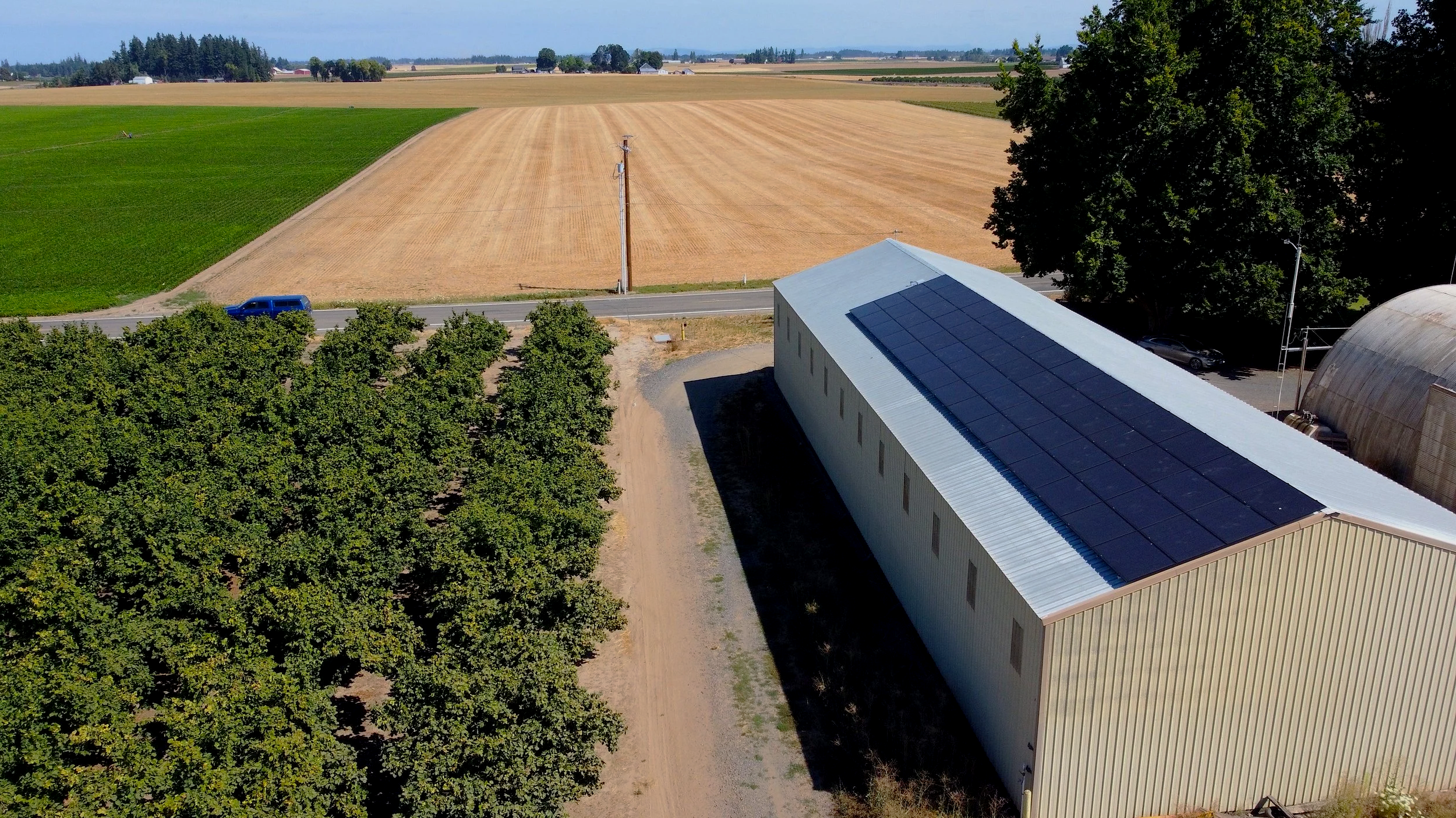
Solar for Irrigation and Seasonal Energy Demand
One of the biggest advantages of solar for farms is the ability to offset high seasonal energy use.
In the Willamette Valley, irrigation and processing often create sharp increases in electricity usage during specific times of year. Solar systems are designed to produce the most energy when it’s needed most, helping stabilize long-term operating costs.
This is where agricultural solar systems typically deliver the strongest return.
Solar Incentives for Farms in Oregon
Many agricultural operations qualify for multiple solar incentives:
Federal Investment Tax Credit (ITC)
Accelerated depreciation (MACRS)
USDA REAP grants (for eligible projects)
Energy Trust of Oregon Rebate
These programs can significantly reduce the upfront cost of a farm solar system. We walk through each option during the planning phase so you have a clear understanding of what applies to your operation.
Common Questions About Solar for Farms
Does solar take land out of production?
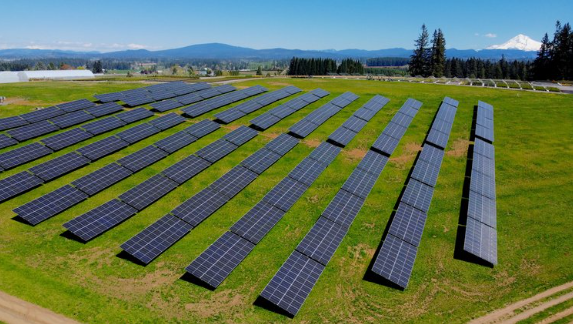
Most systems are installed on existing buildings or low-value land to avoid impacting usable acreage.
How does solar perform during peak irrigation season?
Solar production is highest during summer months, which aligns well with irrigation demand.
What maintenance is required?
Minimal. Systems have no moving parts and are designed for long-term reliability.
How long does installation take?
Timelines vary, but projects are scheduled to avoid disruption during critical farming periods.